What does tested to BS EN 45545-2:2020+A1:2023 mean?

June 22, 2026

Tested to  EN 45545-2:2020  is the “gold standard”

for fire safety in the European railway industry.
What does “Tested to EN 45545-2:2020” mean?


Tested to EN 45545-2:2020 is the “gold standard” for fire safety in the European railway industry.

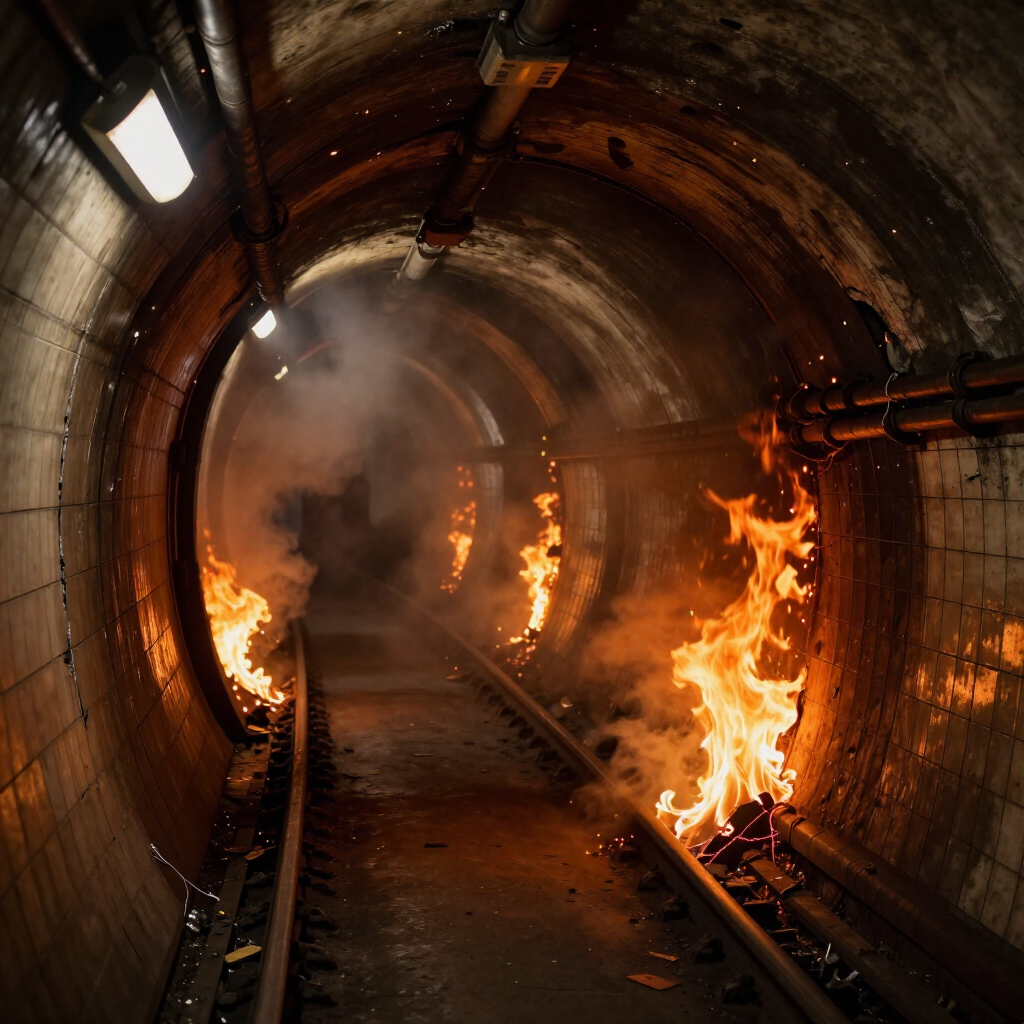
It means the product has been rigorously vetted to ensure that if a fire breaks out, the product will resist burning, limiting the spread of flames and produce minimal smoke or toxic fumes if subject to heat & flames, ensuring passengers can escape safely from the carriage and/or the tunnel.


There are three parts to EN 45545-2:2020:


1. Flame spread - how fast the material burns (EN ISO 4589-2)

2. Smoke Density - how much smoke is created and obscures vision (ISO 5659-2)

3. Toxicity - whether the smoke emitted contains lethal gases such as carbon monoxide or hydrogen cyanide

     (BS EN 17084:2018)


Why is EN 45545-2:2020 so important?


EN 45545-2 harmonises fire safety rules across the whole of Europe. It is the cornerstone of European standard for rail vehicle fire safety. It is critical because it mandates rigorous benchmarks for how materials used within the manufacture of trains behave in fire conditions. EN 45545-2:2020 looks at controlling flame spread, heat release, smoke density, and toxicity —allowing passengers time to safely evacuate in the event of a fire.


Fire Risk in Rail and Underground Environments:


Rail and underground transport infrastructure operates in very confined spaces where fire can spread rapidly due to the high heat environment, causing catastrophic damage and real danger to life.


In Rail and Underground environments, unprotected lines and cables can quickly become ignition points. The most common high risk areas are:


  • Electrical cables exposed to abrasion due to vibration and extreme heat from engines and exhaust manifolds
  • Hydraulic and fuel lines routed close to hot engines and braking systems
  • Reduced ventilation in tunnels and subway routes
  • Sparks from rolling stock braking, grinding and maintenance operations


It is imperative Rail and Underground equipment operating in these confined spaces are protected properly with Firesleeve which has been tested in accordance with BS EN 45545-2:2020+A1:2023.


Where is Firesleeve used in railway vehicles?


Firesleeve is installed over hydraulic hoses, electrical harnesses and fuel lines to protect them from heat and abrasion, helping reduce the risk of fire occurring should one of these critical systems become damaged.

Firesleeves are used on:

  • Underground transport rolling stock / rail carts
  • Locomotive and rolling stock engine compartments
  • Subway / metro railway infrastructure
  • Braking hydraulic and pneumatic lines
  • Electrical wiring harnesses close to heat emitting equipment
  • Critical emergency evacuation route components such as emergency lighting, and fire suppression systems.


What is HL3 rated under R22?


If a product is “HL3 rated under R22” it means it is safe for use in virtually any railway application globally. HL3 is the most rigorous rating required for high risk applications such as vehicles in subways or sleeper trains that face high-risk operating conditions like long tunnels and difficult evacuations.


How did our Firesleeve perform?


When rigorously tested in accordance with EN 45545-2:2020 requirements, our Firesleeve demonstrated that it complies with requirements R22 & R23 for HL1, HL2, and HL3 Hazard Level Classifications.

This means our Firesleeve can be used in virtually any railway application around the world.


Why the Rail and Underground industries choose our Firesleeve:


Our Firesleeve has been spec’d into Rail and Underground applications because it is:


  • Rated for high temperature exposure and will not support combustion
  • Rated V-0 for flammability: UL94 / IEC 60695-11-10 Test Method
  • Provides continuous protection at an operating temperature of 260°C
  • Retains 75% tensile strength at 340°C
  • Excellent abrasion resistance
  • (EU) 1907/2006 REACH compliant
  • (EU) 2016/1021 POP’s compliant
  • 2011/65/EU Amt 2015/863/EU RoHS compliant
  • 100% PFAS & Conflict Minerals Free
  • Halogen Free


Our Firesleeves are tested to and pass:


For further information on BS EN 45545-2:2020+A1:2023 the European Railways applications standard for the Fire Protection on Railway Vehicles – Requirements for Fire Behaviours of Materials and Components please visit: https://knowledge.bsigroup.com/products/railway-applications-fire-protection-on-railway-vehicles-requirements-for-fire-behaviour-of-materials-and-components-2


Our firesleeve (trade name “Pyrosleeve”) can also be bought on-line via our website: www.pyrosleeve.co.uk   
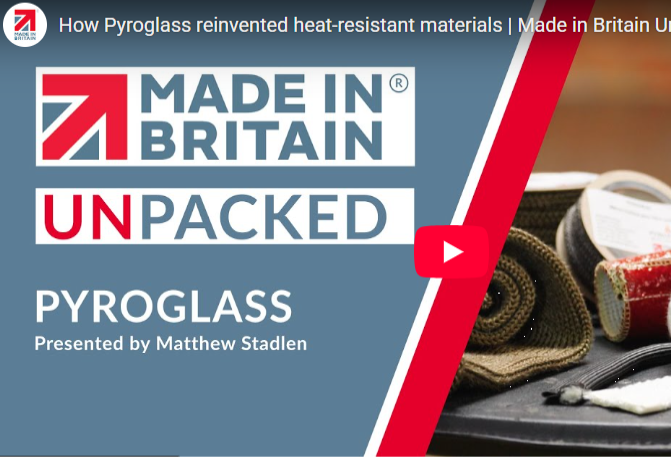

Pyroglass features in Made in Britain UNPACKED series,  interview with Sara Pullen Managing Director
By Sara Pullen January 28, 2026
Pyroglass was recently interview by Made in Britain, shining a light on what makes us a manufacturing leader in our field of high temperature seals.
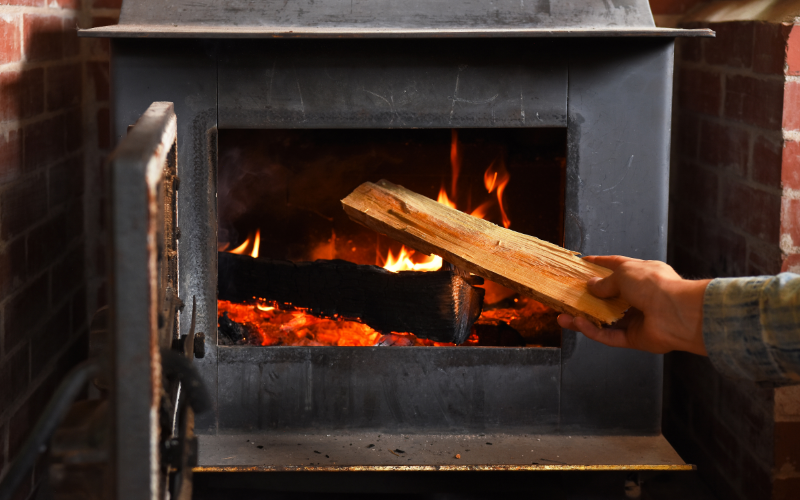
Log burning stove
By Sara Pullen June 20, 2025
Pyroglass designs and manufactures high-quality knitted stove door, window and ash pan seals that can withstand temperatures of up to 600°C.
Quality, improvement, accreditations.
By Sara Pullen March 17, 2025
Accreditations like UKAS and ISO serve as custodians of quality, consistently ensuring compliance, fostering innovation, and promoting competitiveness. For many manufacturers, these standards transform operations into well-oiled machines capable of extraordinary achievements.
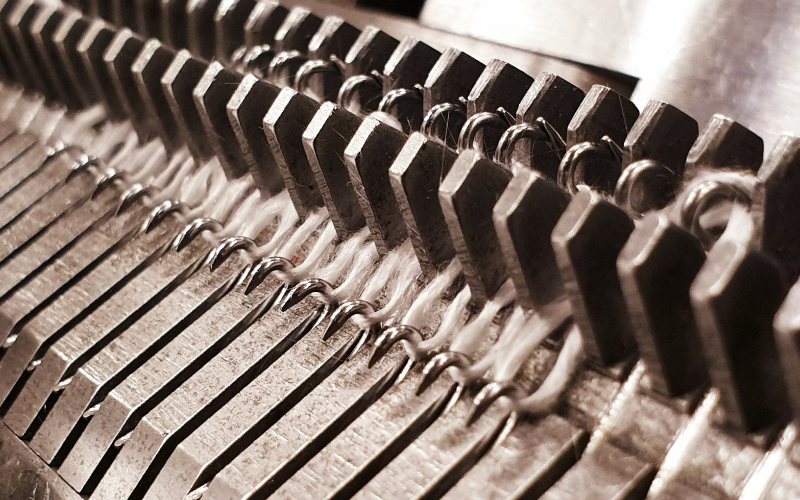
Glass fibre knitting on roll
By Sara Pullen January 15, 2025
Sara Pullen, Managing Director of Pyroglass, invited me to the family owned independent organisation founded some 38 years ago. On entering Pyroglass, I was immediately impressed with the fine examples of glass fibre that adorned the walls throughout the building. Sara likes to tell people that Pyroglass is a knitting company, but as we open the doors of this Lancashire-based manufacturing plant, we discover there is a lot more to Pyroglass than meets the eye. Sara expanded, "We are in the business of knitting glass fibre that we use to produce a bespoke range of sealing and insulating materials capable of performing under extreme temperature conditions." I wanted to know more, so here is what I found out about the history of this exciting and innovative industry. Glass Fibre Knitting "Glass is an unlimited and innovative material that has plenty of applications. It is an essential component of numerous products we use daily, often without noticing. Glass continues offering cutting-edge solutions, including in combination with other materials. This trend is very likely to continue in the future". Source: Glass Alliance Europe When you think of knitting, what comes to mind? Sweaters, scarves and other clothing, right? Knitting is the process of making a textile by connecting loops or stitches of one continuous thread using needles. Pyroglass uses the same technique to produce knitted sweaters (by creating interlocking loops of yarn), but instead of wool they use texturised glass fibre yarns to form high temperature tapes, ropes and sleevings. Single glass fibres are very small (the largest being approximately one fifth of the diameter of a human hair ~9μm, each bundle of raw fibres may consist of thousands of individual fibres stranded together to form continuous fibre yarns which can be knitted. Glass fibre yarns have high tensile strength and can resist temperatures up to 550°C without losing structural integrity, making them an ideal component for many applications requiring high temperature sealing and insulation. "The Glass Industry in Europe is strong and diverse with 500 glass manufacturing plants, 500,000 jobs along the value chain, 25 European countries with glass production and 40 million tonnes of glass produced annually.” Source: Glass Alliance Europe Texturisation Process: Involves jetting streams of compressed air at the glass fibres, creating turbulence causing the formation of loops by overfeeding individual filaments which in turn mechanically bulks the strands. Texturising glass fibres improves thermal and acoustic insulation properties by creating air pockets within the stranded fibres, enhances the flexibility of the yarns so they can be knitted, increases the volume of the yarns for a “fluffier” finish and increases the abrasion resistance of the glass fibre. These features make texturised yarns particularly valuable in industries where high durability under heat stress is crucial, such as aerospace and automotive. High-Temperature Characteristics Glass fibre yarns are designed to withstand intense temperatures up to 550°C making them invaluable in industries requiring rigorous thermal management, such as automotive exhaust systems, aerospace engineering, fire-protective equipment, biomass boilers and incinerators. Safety and Reliability When exposed to such extreme temperatures, these glass fibre yarns maintain their tensile strength and flexibility, reducing the risk of failure in critical applications. This unique combination of properties places texturised glass fibre yarns in a category of their own when it comes to withstanding harsh environments. Cost Efficiency Longer lifespan in thermal environments means reduced replacement and maintenance costs. Incorporating texturised glass fibre yarns in your projects can enhance performance while ensuring safety and durability. It's a perfect example of how a seemingly simple innovation can have widespread, transformative impacts across many industries. The History of Fibreglass Venetian artisans used fine threads to adorn glassware in medieval times. Still, it was only during the Industrial Revolution that fine glass fibres were used for more reasons than just decoration. Here are some interesting facts I found from Science and Technology: 1836 , a Frenchman, Ignace Dubus-Bonnel, received the world's first patent for making glass fibres. 1842 saw a British silk weaver making a dress from glass fibre. 1872 , the Franklin Institute in Philadelphia reported that an engineer had produced "mineral cotton" by blowing a jet of steam through liquid glass, resulting in a white mass that could be suitable for insulating steam boilers and pipes. 1893 Edward D. Libbey of the Libbey Glass Company exhibited a fibreglass dress at the Chicago World's Fair weighing over 131 pounds (60kg). In the early 1900s, successful glass-blowing machines developed, helping to uncover the true potential of glass fibre. 1932 saw the first commercially successful product made from glass fibres, air filters for ventilating equipment that proved more capable of removing dust than cotton, especially popular with the increase in air conditioning equipment. But it was Slayter and Jack Thomas at Owens-Illinois who discovered a method of making glass wool for insulation. 1938 , Owens Illinois and Corning Glass joined forces and formed the Owens-Corning Fiberglas Corporation and subsequently produced a glass-wool insulation that was less expensive than mineral wool (or rock wool), making it the most popular insulating material of the time. Modern-day Applications of Glass Fibre In many ways, fibreglass acts like regular glass. It repels moisture; most acids and alkalis don't penetrate the filaments; it resists mould and mildew; it doesn't conduct electricity; it doesn't decay, rust, shrink, expand, or burn. Glass fibre is strong, solid and durable, making it ideal for many industries, including aviation, automotive, maritime and construction. Its non-combustible nature means it doesn't burn, smoke or emit toxic compounds when heated, which are characteristics important to the fire industry and domestic and industrial heating and cooking equipment. Glass fibre is a non-conductive and heat resistive material making it suitable for use around electrical components and wires, glass fibre is therefore an ideal component in numerous electrical and energy applications including solar, wind and PV systems, electrical components, insulators, housings etc. While glass fibre might seem like a new concept, its application in creating texturised yarns with high-temperature resistance has revolutionised numerous industries since the 1900s. Whether you're an industrial expert or someone curious about material science, understanding the development of glass fibre and its place in modern day industry allows us to appreciate innovations and their profound impact on technologies we encounter every day. Author: Lynne Rawlinson, Ribble Valley Marketing . Footnote: Pyroglass Limited was established in 1987 and remains an independently owned British manufacturing business with a wealth of experience in the design, production and marketing of specialist thermal materials. Pyroglass products are used worldwide for: • Domestic and Industrial Heating Equipment • Truck, Bus and Generator Exhaust Systems • Steel / Aluminium Smelting Plants • Hydraulic Hoses and Cable Systems • Cooking Equipment • Vehicle Electrical Wiring Harnesses • Oil Refineries and Oil Rigs • Thermal Acoustic Applications Please get in touch for more information on Pyroglass Knitted products.
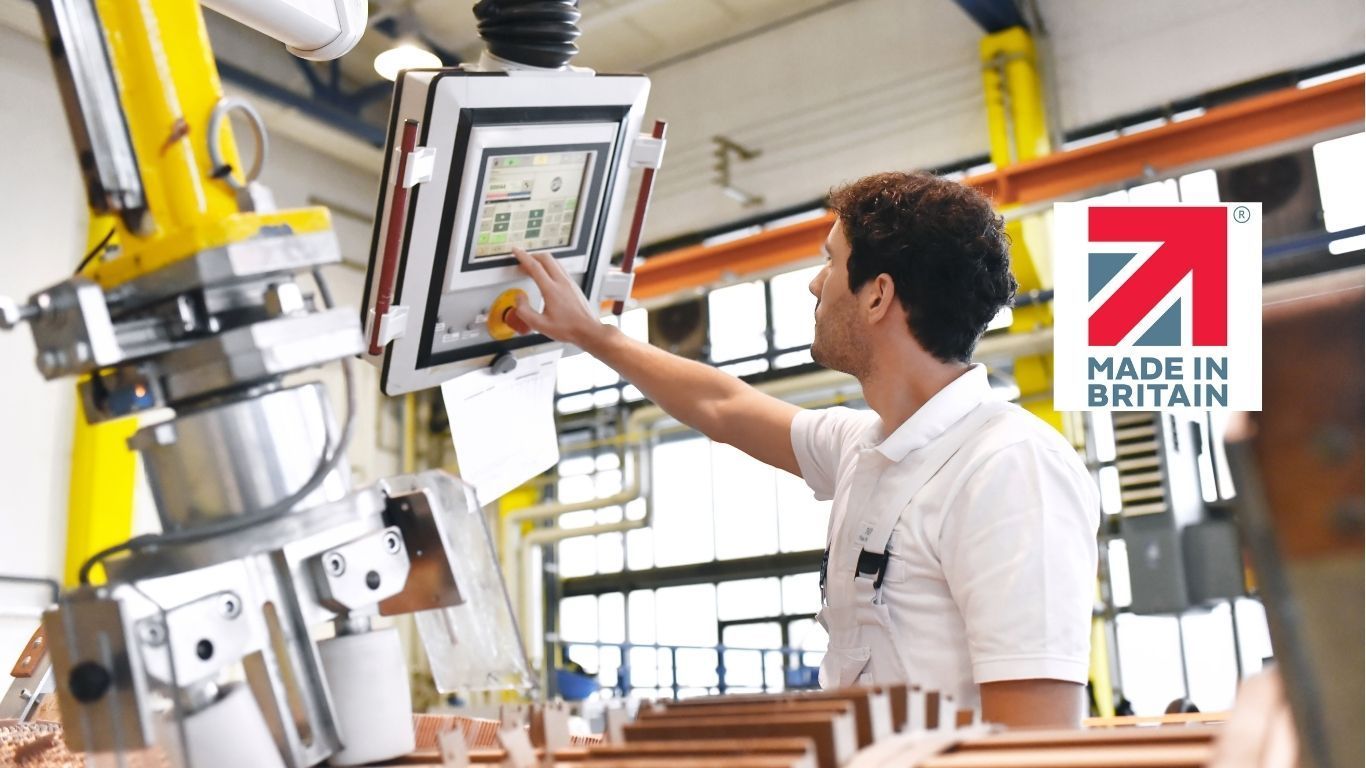
Manufacturing plant
By Sara Pullen October 23, 2024
The Made in Britain logo represents quality, tradition, and innovation in today's global economy. This blog post will explore the benefits of Made in Britain membership and uncover why accreditation is so important to UK manufacturers like Pyroglass.